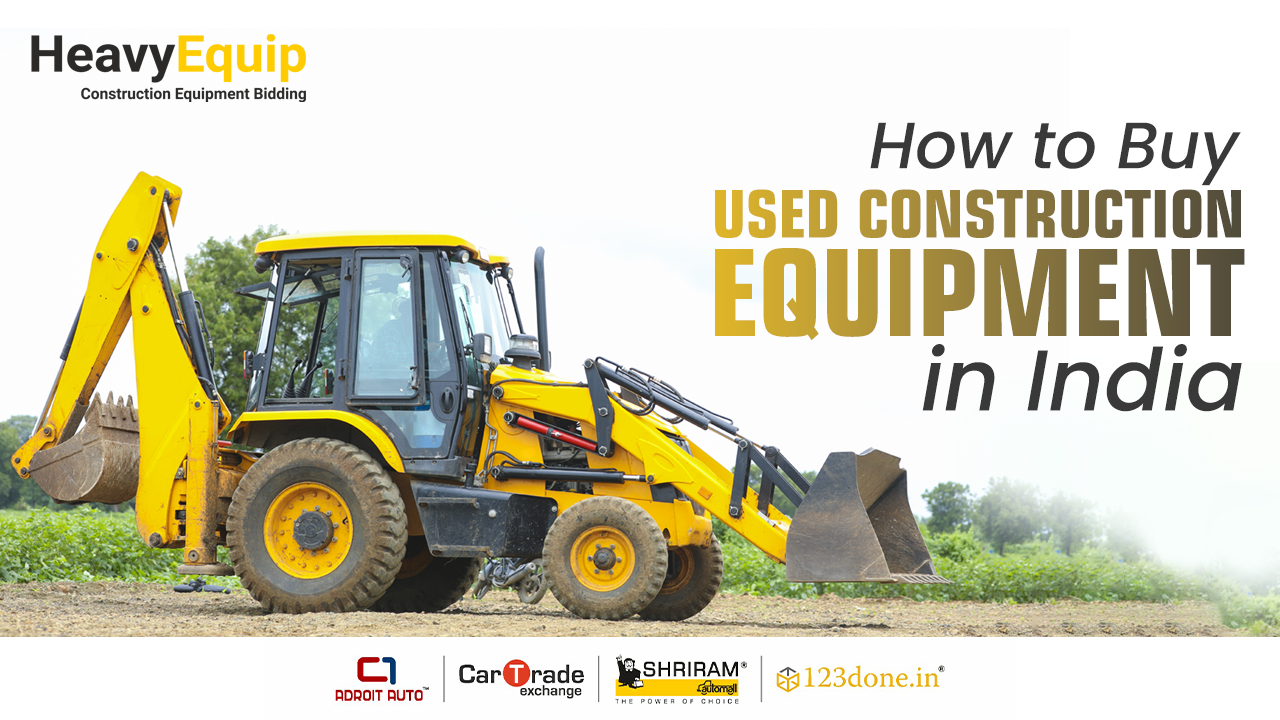
In a country where infrastructure development is booming, and construction projects are ever-expanding, the demand for heavy equipment has seen a significant spike. However, not all builders, contractors, and companies can afford brand-new machines. This is where the pre-owned or used construction equipment segment becomes a strategic option.
India's used construction equipment market has matured, offering both affordability and reliability for buyers. Whether you're a contractor working on small-scale developments or a large player managing mega infrastructure projects, used equipment can be an asset—if purchased wisely. From understanding your needs to verifying documents, and choosing reliable platforms like Shriram Automall and CarTrade Exchange, buying used machinery requires a blend of research, strategy, and smart decision-making.
The Growing Appeal of Used Construction Equipment
India’s infrastructure needs are vast. Roads, bridges, ports, smart cities, and metro projects are mushrooming across the country. This has led to rising demand for equipment like excavators, loaders, rollers, and cranes. But purchasing all-new equipment often requires substantial capital.
For many businesses—especially small contractors or those working on short-term projects—buying used machinery makes practical and financial sense. The advantages are compelling:
According to a report by Off-Highway Research, the Indian used construction equipment market is expected to cross ₹10,000 crore in the next few years. This indicates strong buyer confidence and market credibility.
Benefits of Buying Used Construction Equipment
There are many benefits of buying used construction equipment instead of a new one. This is a big and significant investment which should be made with full awareness. Let us tell you some of the significant benefits of buying a used construction equipment:
Substantial Cost Savings
Used construction equipment is typically priced 30–60% lower than new machinery. This gives buyers a chance to access branded equipment that might otherwise be out of reach. The saved capital can be reinvested into manpower, materials, or operational expansion.
Faster Delivery and Deployment
New machines often come with production backlogs and import delays. In contrast, used machines—especially when sourced through platforms like Shriram Automall (SAMIL)—are readily available. In some cases, machines can be deployed on-site within days.
Lower Depreciation Rates
While new equipment depreciates steeply in the first few years, used machines retain value for longer. This ensures a better resale price in the future and lowers the overall cost of ownership.
Proven Performance
Reputable used equipment often comes with service history and inspection certifications. This builds buyer confidence in terms of reliability, especially if the equipment has been maintained well by its previous owner.
What Types of Equipment Can You Buy Used?
India’s used equipment segment caters to a wide range of construction needs. Depending on your project, location, and budget, you can choose from:
1. Excavators
Essential for digging, trenching, and demolition tasks. Brands like JCB, Komatsu, and Tata Hitachi offer great value even in used condition.
2. Backhoe Loaders
Compact yet powerful, these are ideal for urban or semi-urban projects. A popular choice among small contractors.
3. Wheel Loaders
These help with lifting and transporting materials like gravel, sand, and soil—perfect for quarries and roadworks.
4. Road Rollers
Compactors and rollers are critical for road-laying projects. Brands like Volvo, HAMM, and Dynapac dominate this category.
5. Cranes
For lifting and moving heavy loads on construction sites, tower cranes and hydraulic cranes are often bought pre-owned due to their high new purchase cost.
6. Concrete Equipment
Transit mixers, batching plants, and concrete pumps are all available in the secondary market, especially in metro cities and industrial clusters.
Where to Start: Planning Before Purchase
Planning your purchase beforehand saves you a lot of trouble. Let us give you a checklist for a seamless buying experience:
Understand Your Equipment Needs
Begin by analysing your project requirements. What machine do you need, and for how long? Will it be used frequently or occasionally? What are the terrain and site conditions? These questions will help you shortlist the right type, model, and size of equipment.
Set a Practical Budget
Factor in the equipment cost, potential repair expenses, transport, documentation fees, and insurance. Avoid going for the lowest-priced listing without checking its service history and operational condition.
Do Market Research
Visit equipment marketplaces online, check brand comparisons, talk to sellers, and read reviews. Compare multiple listings and monitor price trends to understand the going rate for the type of machinery you need.
Choosing the Right Platform
India now boasts several organised players in the used construction equipment market. Among them, Shriram Automall and CarTrade Exchange stand out for their reliability, customer support, and transparent processes.
Shriram Automall (SAMIL)
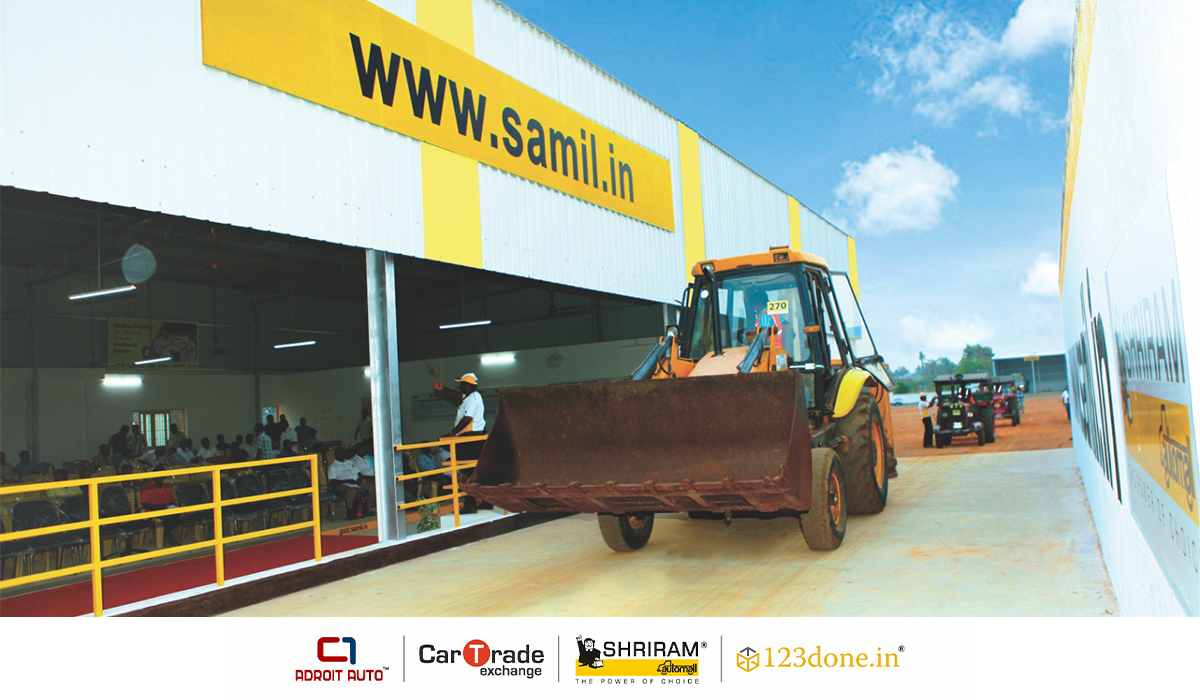
SAMIL is one of the country’s largest organised platforms for used vehicles and machinery. Known for its physical auctions across 135+ locations, SAMIL offers:
-
Pre-inspected and verified equipment
-
Physical and online bidding options
-
Financing assistance via Shriram Transport Finance
-
RTO and document transfer support
-
Real-time inventory updates
With over 1 million registered users, SAMIL is trusted by thousands of buyers for heavy equipment, trucks, and commercial vehicles.
CarTrade Exchange
This online marketplace offers a seamless way to buy used equipment and vehicles. With digital tools like:
CarTrade Exchange ensures ease, speed, and convenience—especially for buyers who prefer remote access.
How to Inspect a Used Machine Properly
A successful used equipment purchase depends heavily on the quality of inspection.
1. External Inspection
Check for visible damage, rust, welds, and dents. Excessive wear on the body can indicate harsh usage.
2. Engine and Transmission
Start the engine and let it idle. Listen for knocks, smoke, or delays. Test gears, clutch response, and hydraulic pressure.
3. Hydraulic Systems
Look at the hoses, cylinders, and joints. Any leak, crack, or slow response might require immediate attention.
4. Electrical and Cabin Controls
Ensure that all buttons, meters, lights, horns, and indicators are functioning. Check seat conditions and ergonomics.
5. Undercarriage and Tires
Tracks or tires can be expensive to replace. Ensure they are in decent condition or factor in the cost for new ones.
6. Maintenance and Service Records
Ask for the full-service log. Machines that have undergone regular servicing are more likely to perform well long-term.
Understanding Equipment Documentation
A clean paper trail is just as important as a clean machine.
Mandatory Documents to Check:
-
Registration Certificate (RC)
-
Original Invoice and Warranty (if applicable)
-
Insurance Papers
-
Road Tax Receipt
-
PUC Certificate
-
Fitness Certificate (for road-operable machines)
-
Loan NOC if the equipment was previously financed
Buying from platforms like SAMIL or CarTrade Exchange ensures that all documents are verified before sale.
Financing Your Purchase
Used construction equipment purchases can be financed just like new ones. Many NBFCs and banks offer tailored loan products.
Popular Financing Options:
-
Shriram Finance Limited
-
Mahindra Finance
-
HDFC Bank
-
Cholamandalam Finance
Documents Needed:
-
KYC (PAN, Aadhaar)
-
Business proof (GST, incorporation certificate)
-
Income proof or bank statement (6 months)
-
Quotation or invoice from seller
Loan tenures usually range between 12–48 months. Interest rates vary based on borrower profile and asset age.
Step-by-Step Buying Process
Below is the step-by-step procedure of buying your perfect used construction equipment:
Step 1: Shortlist Your Equipment
Use filters like type, brand, location, and price on trusted portals.
Step 2: Inspect and Compare
Visit the seller or auction site if possible. Check for signs of wear, operation smoothness, and maintenance.
Step 3: Verify Documentation
Ensure the RC and all other legal papers are genuine and match the equipment’s registration numbers.
Step 4: Final Negotiation
Discuss pricing, delivery time, and payment terms. Don’t hesitate to negotiate, especially when buying multiple units.
Step 5: Arrange Finance
Apply through seller-recommended NBFCs or banks if you're opting for EMI.
Step 6: Documentation and Transfer
Complete ownership transfer at the RTO with assistance from platforms like SAMIL.
Step 7: Transport to Site
Use professional transporters for safe delivery. For large equipment, permits may be needed for inter-state movement.
Buyer’s Checklist Before Finalising the Deal
Before sealing the deal, here’s a checklist you can follow:
-
Clearly define equipment specifications and purpose
-
Compare at least 3 listings for price benchmarking
-
Get the machine inspected professionally
-
Verify engine hours and year of manufacture
-
Ensure documentation is complete and original
-
Understand any previous damage or repairs
-
Evaluate spare parts availability and service options
-
Negotiate fairly, especially for bulk deals
-
Arrange insurance immediately after purchase
-
Transport using verified logistics companies
The Road Ahead for India's Used Equipment Market
With rising infrastructure spending, digital marketplaces, and buyer awareness, the used construction equipment market is set to thrive. Government policies promoting MSMEs, ease of digital financing, and mobile-first bidding apps are also contributing to the sector’s growth.
Innovations like 360° virtual inspections, blockchain-based service histories, and real-time auction dashboards are bringing unmatched transparency.
As buyer confidence grows, more and more contractors are choosing used over new—thanks to trust-building platforms like Shriram Automall and CarTrade Exchange.
Conclusion
Buying used construction equipment in India is no longer a compromise—it’s a strategic, cost-effective choice. When you buy from trusted, verified platforms, perform thorough inspections, and secure proper documentation, you can get machines that perform just as well as new—without burning a hole in your budget.
The market is evolving. The buyers are smarter. And the tools for discovery, inspection, and finance are more accessible than ever.
So, if you’re planning your next project, consider giving used construction equipment a serious look. It might just be your smartest investment yet.
Frequently Asked Questions (FAQs)
1. Why should I consider buying used construction equipment instead of new?
Buying used equipment offers significant cost savings (30–60% lower), faster deployment, and lower depreciation. It’s ideal for small contractors or short-term projects where budget and time are key concerns.
2. Is the used construction equipment market in India reliable?
Yes, the Indian market has matured with organised players like Shriram Automall (SAMIL) and CarTrade Exchange offering verified equipment, service histories, and transparent transactions.
3. What types of used construction equipment are commonly available?
You can find a wide range including excavators, backhoe loaders, road rollers, cranes, wheel loaders, and concrete machinery like transit mixers and batching plants.
4. How can I inspect a used machine before buying?
A proper inspection includes checking the external condition, engine performance, hydraulic systems, electrical controls, undercarriage, and maintenance records. On-site inspections or expert evaluations are recommended.
5. What documents should I check before purchasing used equipment?
Mandatory documents include:
-
Registration Certificate (RC)
-
Insurance Papers
-
Road Tax Receipt
-
PUC & Fitness Certificates
-
Original Invoice
-
Loan NOC (if previously financed)
6. Where can I buy reliable used construction equipment in India?
Top platforms include:
7. Can I finance the purchase of used construction equipment?
Yes, many banks and NBFCs like Shriram Finance, HDFC Bank, and Mahindra Finance offer tailored loan options. You'll need KYC, income proof, business documents, and the equipment quotation.
8. What’s the process of buying used construction equipment step-by-step?
The key steps are:
-
Shortlist equipment
-
Inspect and compare
-
Verify documents
-
Negotiate price
-
Arrange finance
-
Complete ownership transfer
-
Transport the machine to your site
9. How can I ensure I’m getting a good deal?
Compare at least 3 listings, verify engine hours, check service history, and negotiate fairly. Buying from verified platforms and conducting thorough inspections is crucial.
10. What are the risks of buying used construction equipment—and how can I avoid them?
Risks include hidden damage, fake documents, or overpriced listings. You can avoid these by:
-
Buying from reputed platforms
-
Getting expert inspections
-
Checking all documentation
-
Avoiding suspiciously cheap offers
 18001024141
 Download Our App